Ам Тюа Нячанг
Наша собственная оценка, а не среднее из отзывов гостей
Другой конец культа Тхиен И А На, на холме Дай Ан — то, о чём молчат башни По Нагар
- Адрес
- Đại An hill, Diên Điền commune, Diên Khánh, Khánh Hoà — 5.6 km north of the citadel
- Часы работы
- Open ground with no published hours; busiest from the first to the third of the third lunar month
- Цены
- Free
- Когда лучше идти
- The first to third of the third lunar month for the festival; early morning for quiet
На карте
Карта © участники OpenStreetMap · 12.3053, 109.0935
Коротко о месте
Thousands climb the Po Nagar towers every day and leave without knowing that the temple is only half the story. Thiên Y A Na — the Mother of the Realm — is venerated in two places, and the other is Am Chúa, on the slope of Đại An hill in Diên Điền commune, about 13 km from Nha Trang. Local tradition holds Am Chúa the place of her descent to earth and the towers the place of her apotheosis. One is the beginning, the other the end.
The difference between the two is not only in the legend but in how they feel. Po Nagar is a brick Cham monument with a fence, a ticket, guides and coaches at the gate. Am Chúa is a cluster of shrine halls on a hillside in the countryside, free to enter, empty most of the year, and visited mainly by local people coming to make offerings rather than by tourists.
Except for three days. The Am Chúa festival runs from the first to the third of the third lunar month — by tradition the days of her descent — and the whole district comes. If you want Mother-goddess worship as a living practice rather than a cooled monument, those are the three days to aim for; if you want quiet, they are the three to avoid. Am Chúa was listed as a national historical and cultural monument in 1999.
Getting there: Am Chúa is 5.6 km north of the Diên Khánh citadel, noticeably further out than anything else in the Diên Khánh cluster. It means a stretch of country road and a climb up to the shrine. Am Chúa and the citadel make a comfortable morning; a third stop starts to rush it.
Сделайте это первым
This is a working shrine, not a museum. Dress modestly, take your shoes off before entering a hall, and if someone is making offerings, wait rather than photograph. On the three festival days it is crowded and hot — go early, and do not try to ride all the way up: the approach is narrow.
Не пропустите
- Dedicated to Thiên Y A Na, the goddess of the Po Nagar towers
- By tradition her place of descent, with the towers her place of apotheosis
- The festival runs the first to third of the third lunar month, and the district comes
- Listed nationally in 1999; no entry charge
Практические советы
- Dress modestly and remove shoes before entering a hall — this is a working shrine
- Do Po Nagar first and Am Chúa second and the story finally joins up
- On festival days go early; the approach is narrow, so do not ride all the way up
Частые вопросы
How are Am Chúa and the Po Nagar towers connected?
Both venerate Thiên Y A Na. In local tradition Am Chúa on Đại An hill is where she descended to earth, and the towers by the Cái river are where she became divine. The two are about 15 km apart, and doing both in one trip is the only way to see the two ends of a single cult.
When is the Am Chúa festival?
From the first to the third of the third lunar month each year, which usually falls in April. The Gregorian date shifts annually, so check a lunar calendar before planning — this page gives no fixed date because there is not one.
Эта страница есть также в
Ближе всего отсюда
4.8 км от вас
AttractionsХрам Литературы в Дьенкхане
Оценка: 3.5 / 5 — Наша собственная оценка, а не среднее из отзывов гостейОдин из немногих уцелевших провинциальных храмов Конфуция на юге центрального Вьетнама, 1853 год, 12 км от города
City centreFree5.6 км от вас
Attractions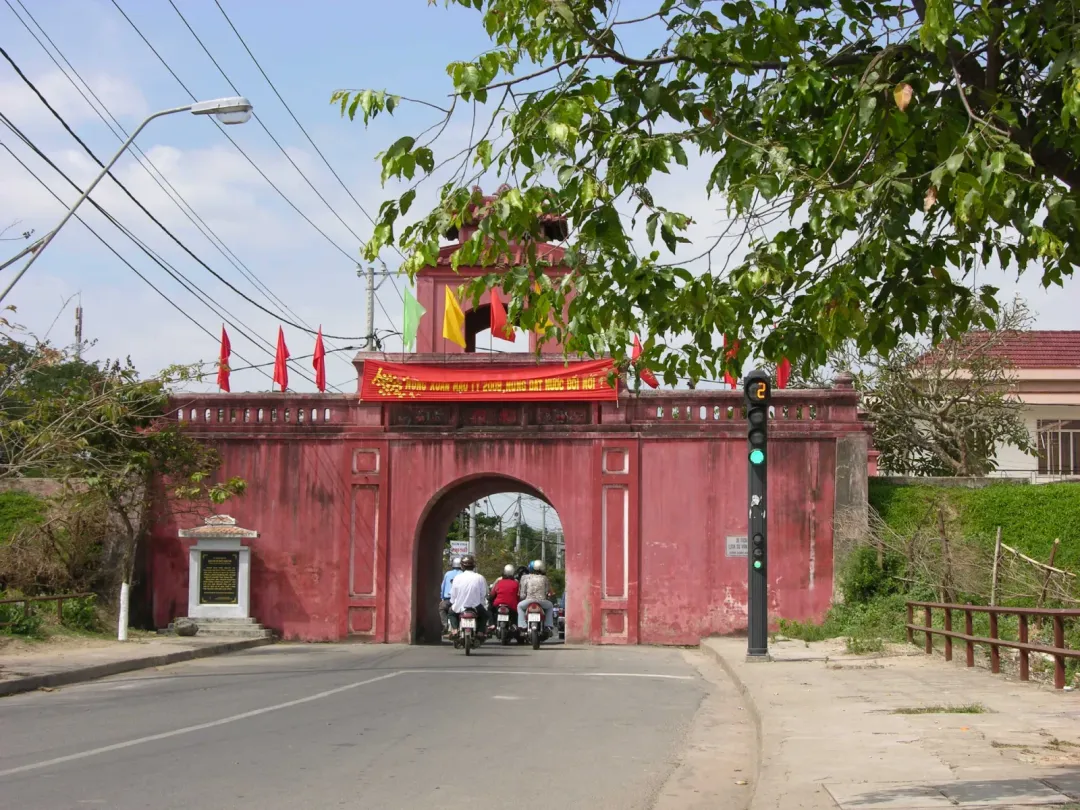
Крепость Дьенкхань
Оценка: 4.0 / 5 — Наша собственная оценка, а не среднее из отзывов гостейКрепость Вобана 1793 года в 10 км от города, и через её ворота до сих пор едут машины
City centreFree8.7 км от вас
Eat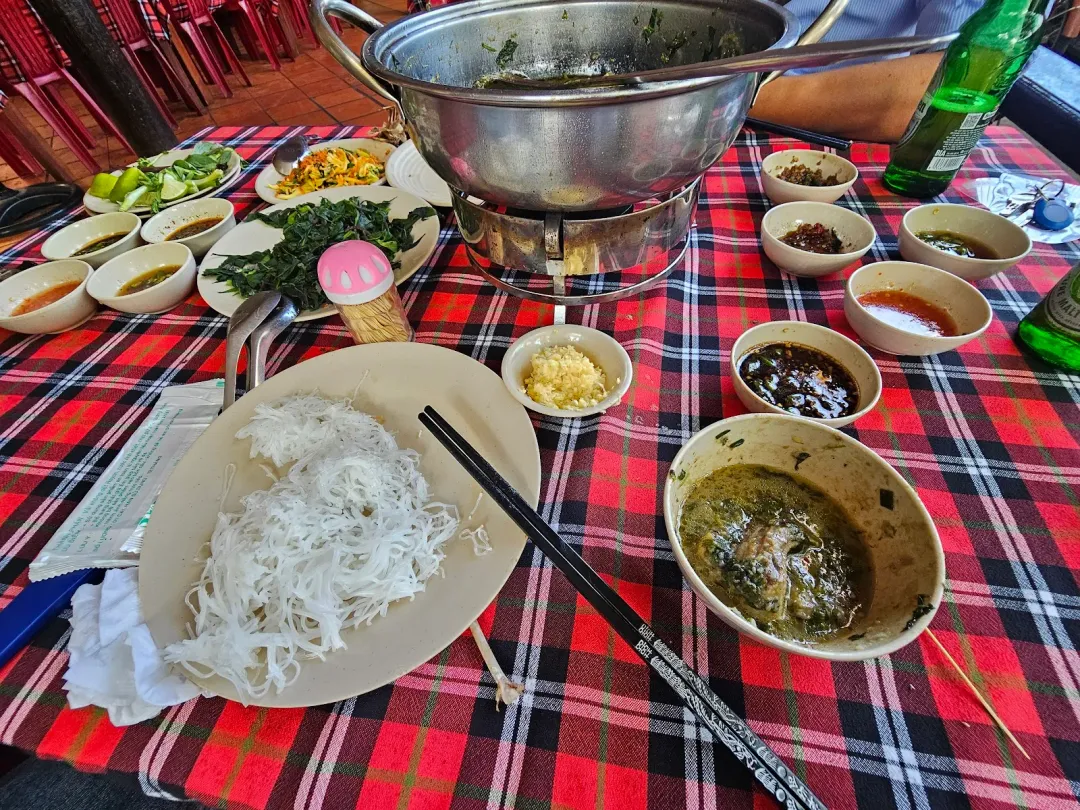
Куан Донг Сань
Оценка: 3.9 / 5 — Наша собственная оценка, а не среднее из отзывов гостейДеревенская кухня в Виньнгоке. Хотпот, рыба на углях и салаты, 5 км от города и почти без туристов
North of the cityCheap (under 100k)