How many days in Nha Trang? Count the spare ones
The usual method divides the attraction list by what fits in a day. It fails, because the very things people come for are the things that get cancelled: rough seas, wind, tides. Count spare days instead of sights.
This piece has no expiry date, but it was written on the date above. Prices, opening hours and street names may have moved on; ring ahead about anything that matters.
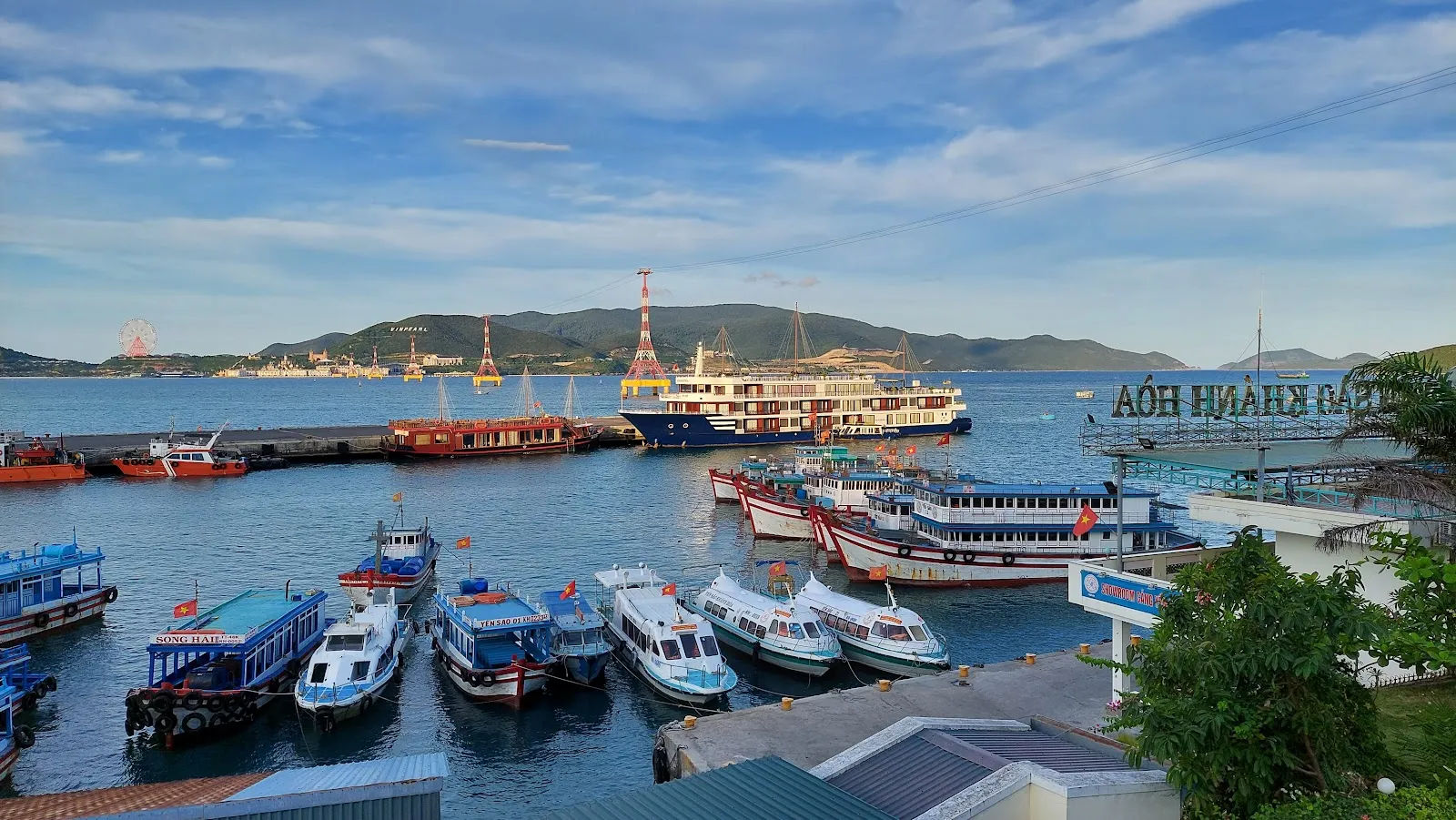
Reference photo
“How many days do I need in Nha Trang” is usually answered with a division: take the list of sights, divide by what fits in a day, get three. That division works for a city where everything opens every day. Nha Trang is not that city: here, the very things people fly in for are the things that get cancelled. An itinerary with no room for a cancellation is not yet an itinerary.
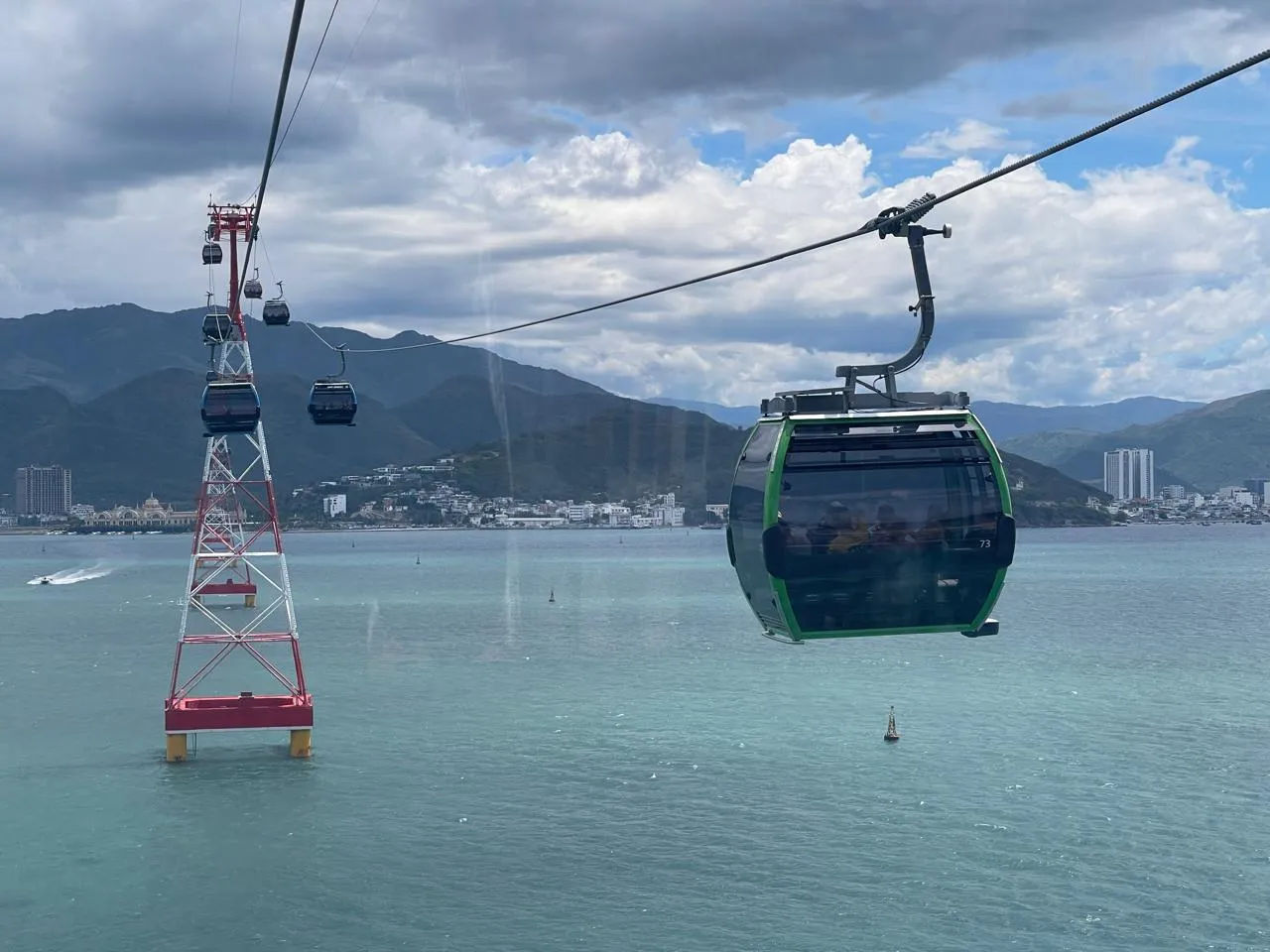
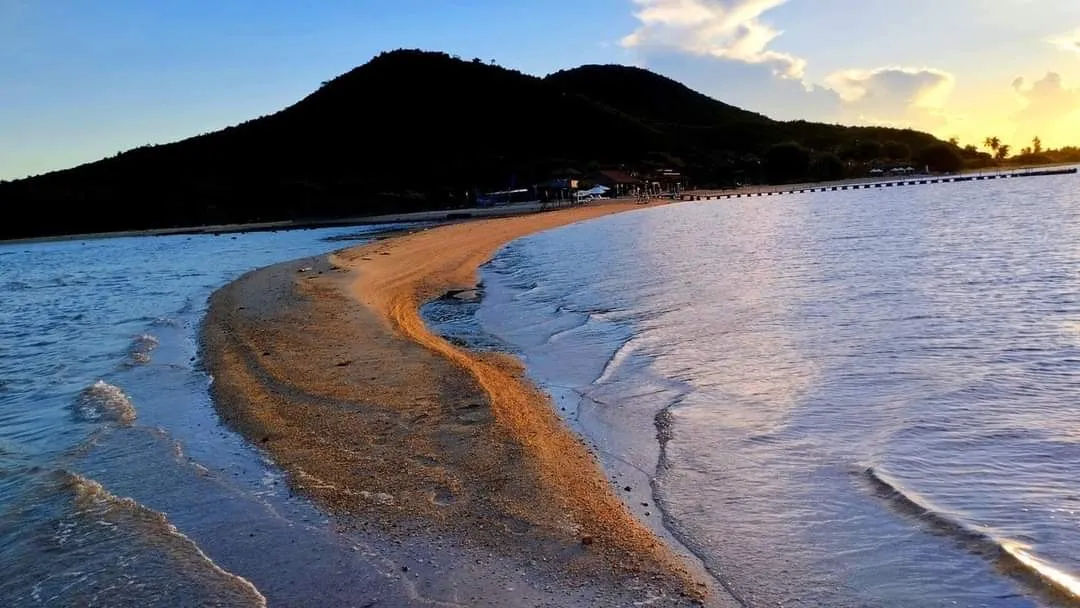
What cancels, specifically. Rough seas stop the island tours and the diving, and the windy season here is October to December. Strong wind suspends the cable car to Hòn Tre in the same months. Diep Son depends on the tide: the sandbar only surfaces at certain hours of a given day, and the tide slips about 50 minutes daily, so “you can go any day” is not true in the sense you need. And Hòn Mun is not open at all — swimming and diving around it have been suspended since 27 June 2022.
So the rule is: for every weather- or tide-dependent thing you genuinely care about, add one spare day, and put it at the start of the trip rather than the end. Put it last and the spare day is worth nothing — if it blows that morning, you fly out the next.
Three concrete counts. Two days and one night is enough if you are not going out on the water: Ponagar, the pagodas, the market, the beach road, a mud bath, eating — none of which the wind can cancel. Three days and two nights is the smallest sensible number if you want a day on the bay: one day to go, one spare, one for the city. Four to five days if you also want a trip north such as Diep Son or Doc Let, which needs its own tide window rather than sharing the bay trip's spare day.
Order matters as much as the count, and most itineraries get it backwards. City things never cancel; sea things do, so the water goes first and the city later. The common plan opens with Ponagar because it is the best opening image, and pushes the island day to the end. If it blows that day, you lose the leg that mattered most and still have two afternoons of temples intact.
And the season multiplies all of this. March and April are when a spare day is least likely to be spent: dry, calm water, before the domestic summer. October to December, budget two spare days for one sea leg rather than one — or accept in advance that this trip may not reach the islands, and choose where you stay accordingly. The ten-year climate table is on the best-time-to-go page.
One last test, applicable to any itinerary you are reading, the ones on this site included: look for what it says about the day going badly. If there is no such sentence it was written for a city where the wind never blows, and it will be right about three quarters of the days in the year.