Three islands or four: the wrong question, and the right ones
The island count is the easiest thing to compare, so everyone compares it — and it decides the least. What actually changes your day is the boat, the water-entry point and which tickets are included. Four questions to ask before paying.
This piece has no expiry date, but it was written on the date above. Prices, opening hours and street names may have moved on; ring ahead about anything that matters.
Reference photo
“Three-island tour or four?” is the most-asked question about Nha Trang bay, and it is the wrong one. The island count is the easiest number to print on a flyer, so it became the thing people compare — but two programmes both headed “4 islands” can differ more from each other than either differs from a three-island one. The three things that decide your day are elsewhere: what you travel on, where you get into the water, and which tickets are already paid for.
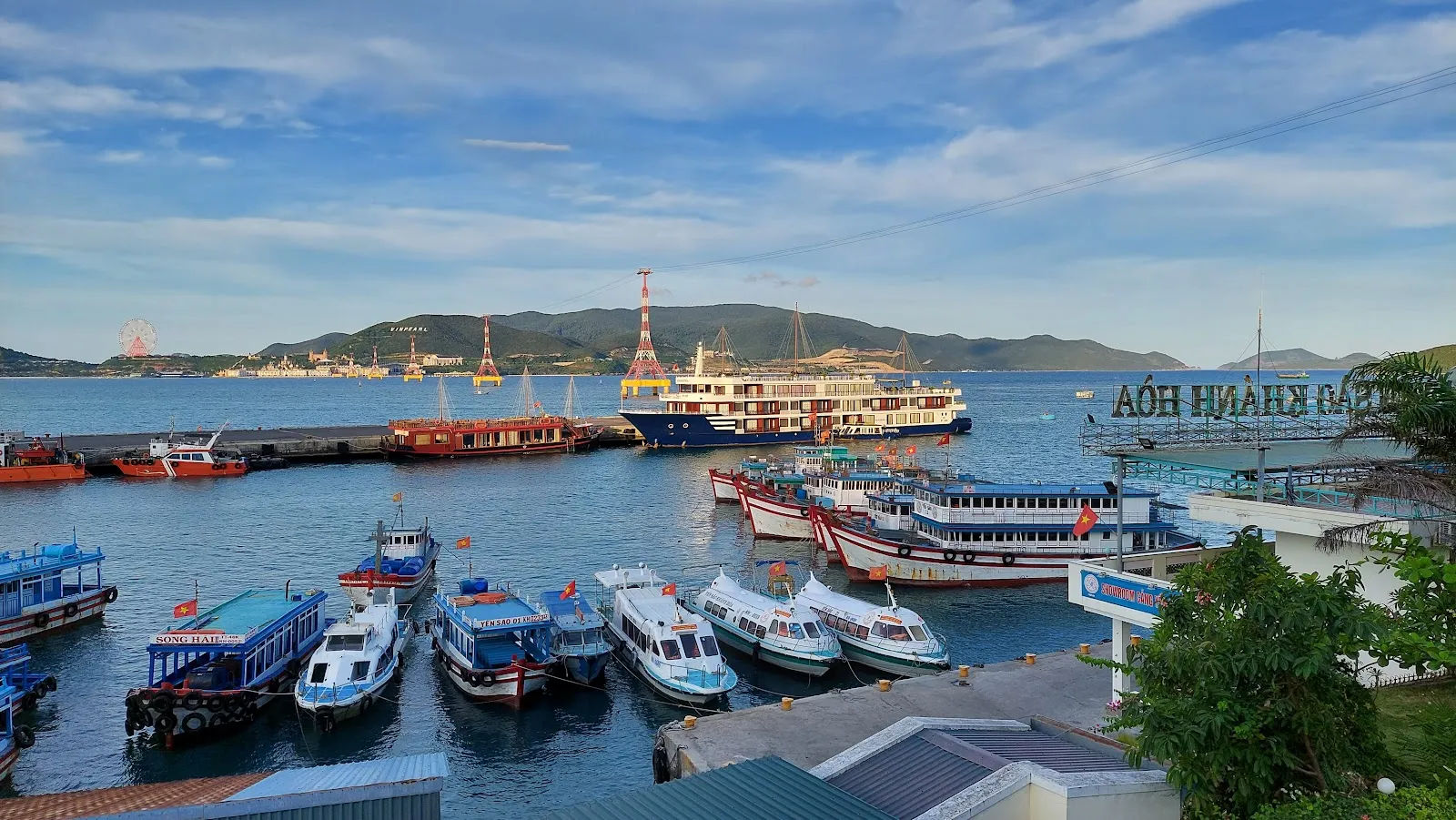
The boat is the biggest difference. The cheap tours run a two-deck wooden boat: slow, steady, roofed, with a table, and the whole day aboard is part of what you are buying. The dearer ones run a speedboat: fast, bumpy, out to the islands in half the time, in exchange for sitting in the sun and wind with nowhere to walk. Choose by who is with you rather than by price: with small children or older parents the speedboat shortens the hours on the water, while people prone to seasickness usually do better on the wooden boat, because a speedboat slams continuously.
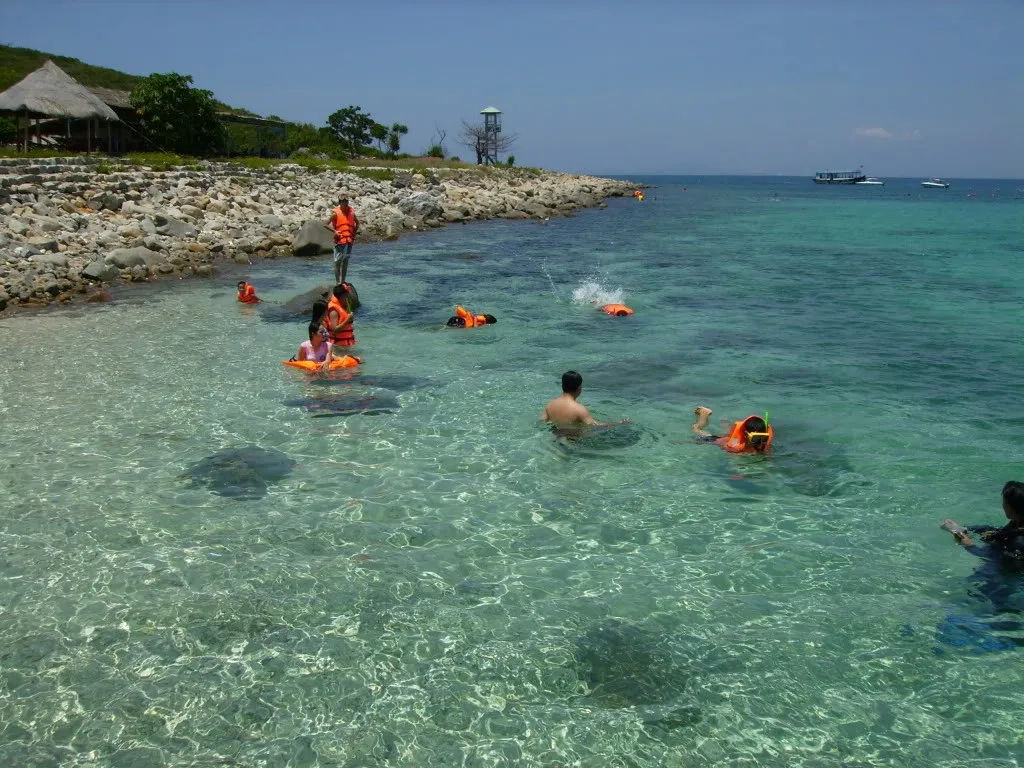
The one that matters most is where guests get into the water. Nearly every tour still advertises its snorkelling leg as Hòn Mun, while swimming and diving around that island have been suspended since 27 June 2022 and had not reopened as of July 2026. Boats passing through that water are not covered by the suspension, so the island's name in an itinerary means nothing. Ask directly: where do we get in. The detail, and the four permitted dive areas, are in the diving piece under Guides.
Then there is which tickets are included. Some islands charge their own landing fee, so a tour 100,000₫ cheaper that excludes them is not cheaper. This is where the spread between desks, which can reach 30% in the backpacker quarter, usually evaporates once you ask properly. The shortest way to ask: “is there anything else to pay on top of this, including island entry and hiring a float?”
Last is which day, and this one is free. Rough seas cancel the trip, and the windy season here is October to December. Book the tour for the first or second day of your stay rather than the last: if it is cancelled you still have a spare day instead of losing it outright. Check the forecast the night before, and know that a calm morning gives far clearer water than an afternoon.
And if you still want a straight answer to “three or four”: four islands if what you want is a long day on the water at the lowest price, because the slow wooden boat and that whole day is the thing you are buying; three by speedboat if you want more time on the islands than in transit, or if someone with you cannot sit still for hours. The difference in island count is small: the programmes circle the same handful of places, and adding a name to an itinerary is far cheaper than adding an hour on the water.
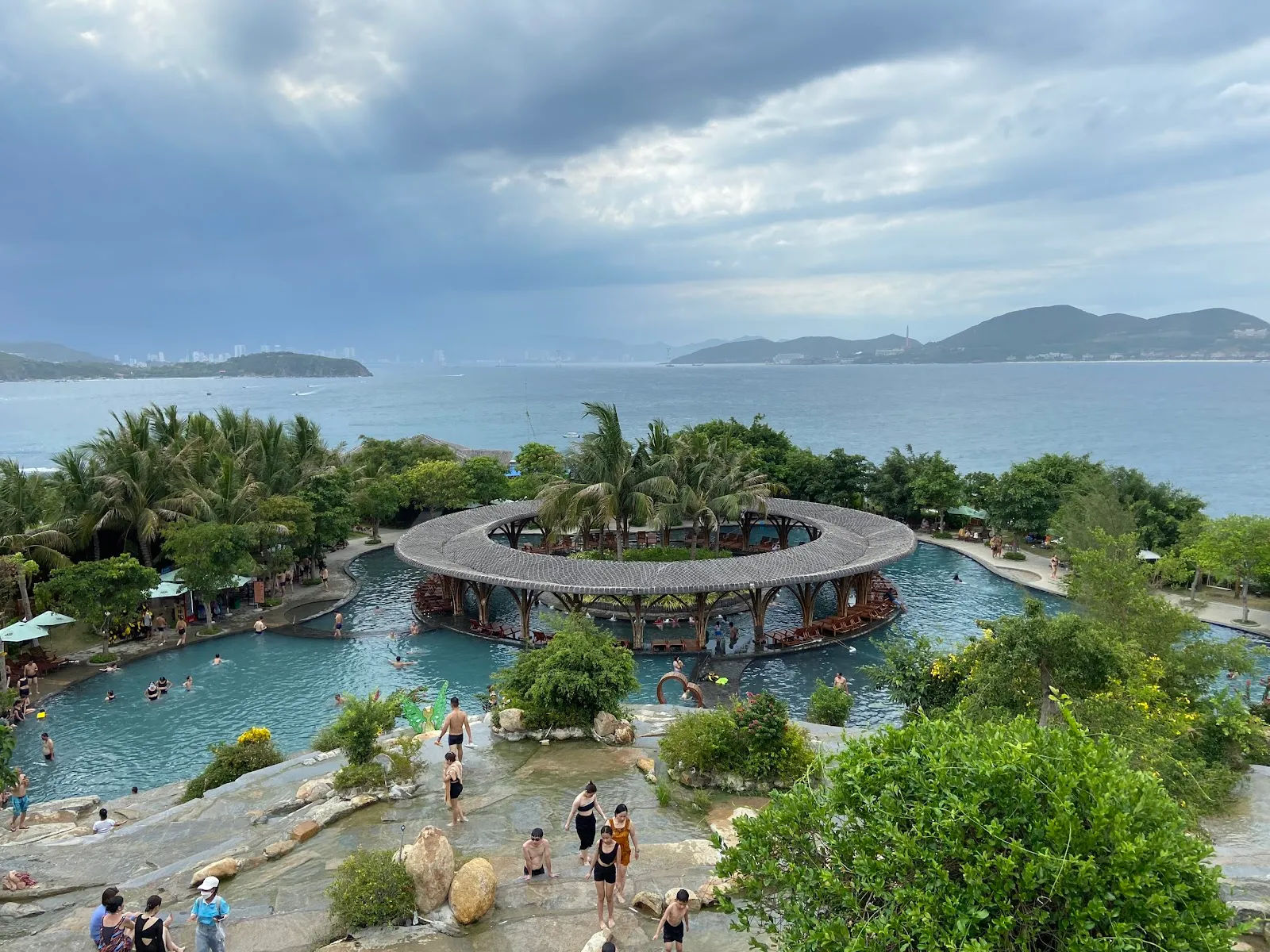
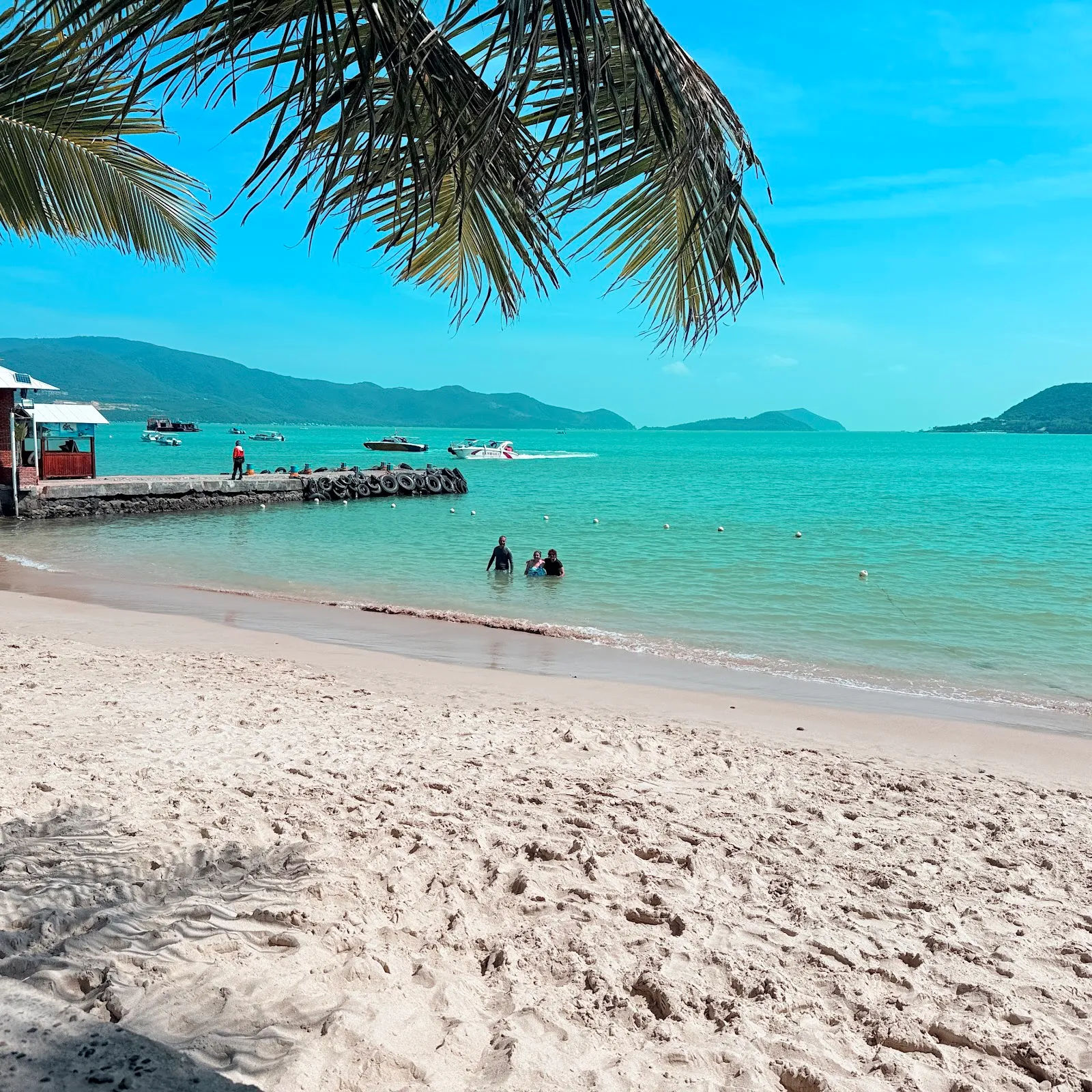
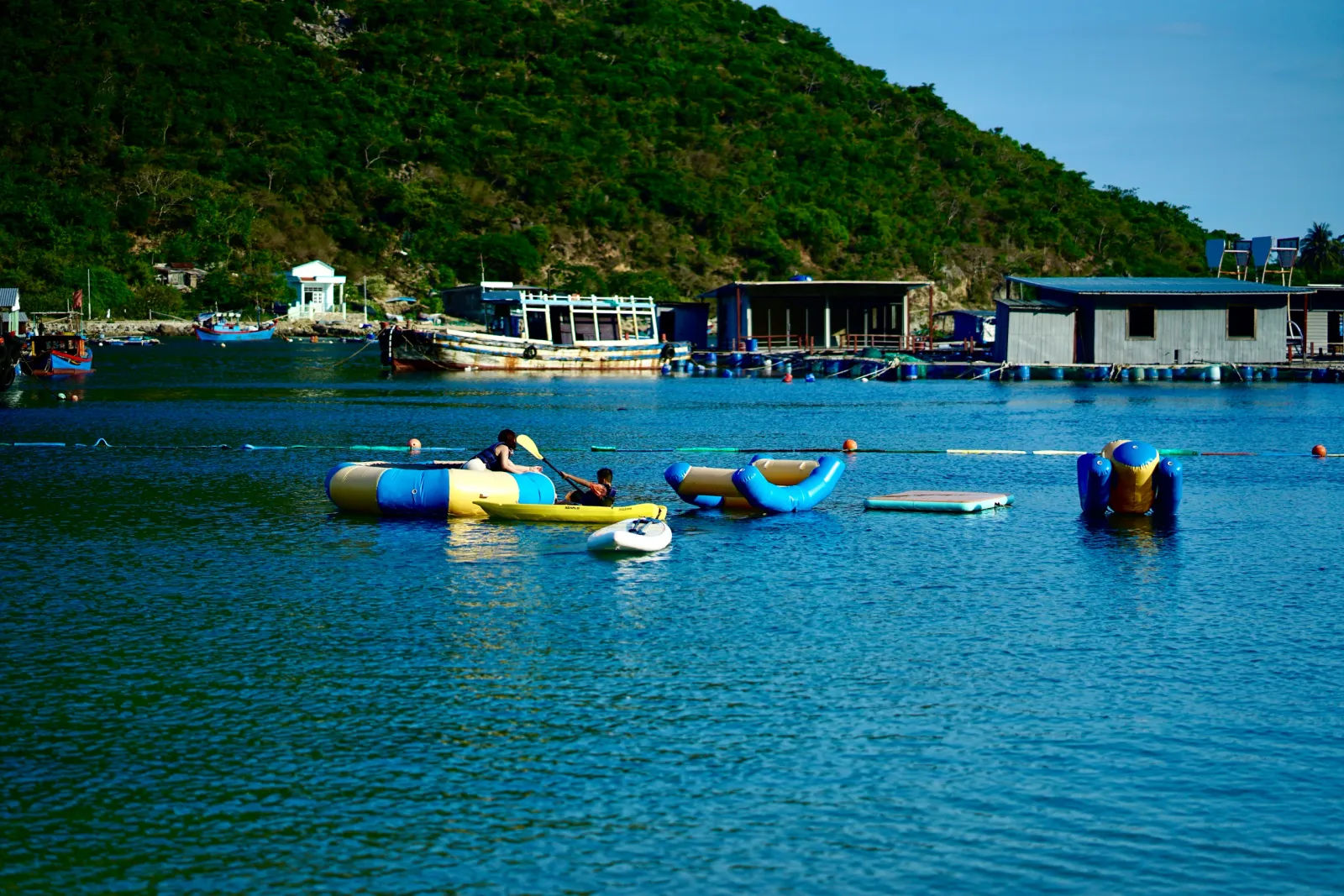
The islands that keep appearing in these programmes each have a page below, so read before you choose. Hòn Tằm for a serviced day on calm water; Bãi Tranh on Hòn Miễu if you only want a ten-minute crossing; Bích Đầm for a working fishing village rather than a stop. And Hòn Mun, for why the tour's most famous leg is the one to ask hardest about.
One thing this piece deliberately does not do: quote tour prices. They move by desk, by season, and by when and whom you ask, so a number printed today helps the seller rather than you. What helps is the four questions above — ask all four and two quotes finally become comparable.