Alexandre Yersin park Nha Trang
Our own score, not an average of guest reviews
A seafront park at the north end of the city with his statue and memorial. Open all hours, free
Reference photo
Reference photo
Reference photo
Reference photo
Reference photo
Reference photo
Reference photo
Reference photo
- Address
- Seafront near the foot of Tran Phu bridge, northern Nha Trang (Plus code 755X+HF9)
- Opening hours
- A public park, free, open at all hours
- Price range
- Free
- Best time to go
- Sunrise — the city faces east, so it comes up straight in front of you
On the map
Map © OpenStreetMap contributors · 12.2589, 109.1987
Overview
The park runs along the seafront at the north end of the city, near the foot of the Trần Phú bridge, and it is a promenade rather than an enclosure: free, open at any hour. At its centre stands the white stone statue of Alexandre Yersin looking out over the bay, and beside it a large stone tablet carrying his life in both Vietnamese and French, dated 1863–1943.
Why Nha Trang has a park named after a Swiss-French scientist: Yersin lived here from 1891 until his death, founded the Pasteur Institute in Nha Trang, introduced rubber and cinchona to Vietnam, and identified the bacterium that causes plague. He is buried at Suối Dầu in Cam Lâm, and locally he is still called "ông Năm". His collection and study are at the Yersin museum inside the Pasteur Institute on Trần Phú. A different place a few kilometres away.
As somewhere to walk, the park suits early morning: Nha Trang faces east, so the sun comes up out of the sea in front of you, and that is the view: flat water, islands faint in the distance, locals walking the railing. Set back from it is grass with stone benches under trees, shaded enough to sit through midday. At night there are lamps along the railing and towers behind. This is not somewhere to spend a morning. It is fifteen minutes on the way to Hòn Chồng or Ponagar.
Don't miss
- His white stone statue looking over the bay, free to visit
- A stone tablet with his life in both Vietnamese and French
- The sun rises out of the sea directly in front of it
- Not the Yersin museum, which is at the Pasteur Institute a few kilometres away
Practical tips
- Come at sunrise; at midday sit on the shaded grass set back from the railing
- Fold it into a trip to Hòn Chồng or Ponagar. It is on the way
- For his instruments and study, go to the museum rather than the park
Frequently asked
Is the park the same as the Yersin museum?
Different places, a few kilometres apart. The park is the seafront strip at the north end of the city, with the statue and the memorial tablet, free and open at any hour. The museum is inside the Pasteur Institute on Trần Phú, holds his instruments and study, and has its own opening hours.
Who was Yersin, and why the park?
A Swiss-French scientist who lived in Nha Trang from 1891 until his death in 1943. He founded the Pasteur Institute here, introduced rubber and cinchona to Vietnam, and identified the plague bacterium. He is buried at Suối Dầu in Cam Lâm, and locally he is still called "ông Năm".
This page also appears in
Closest to here
0.3 km away
Attractions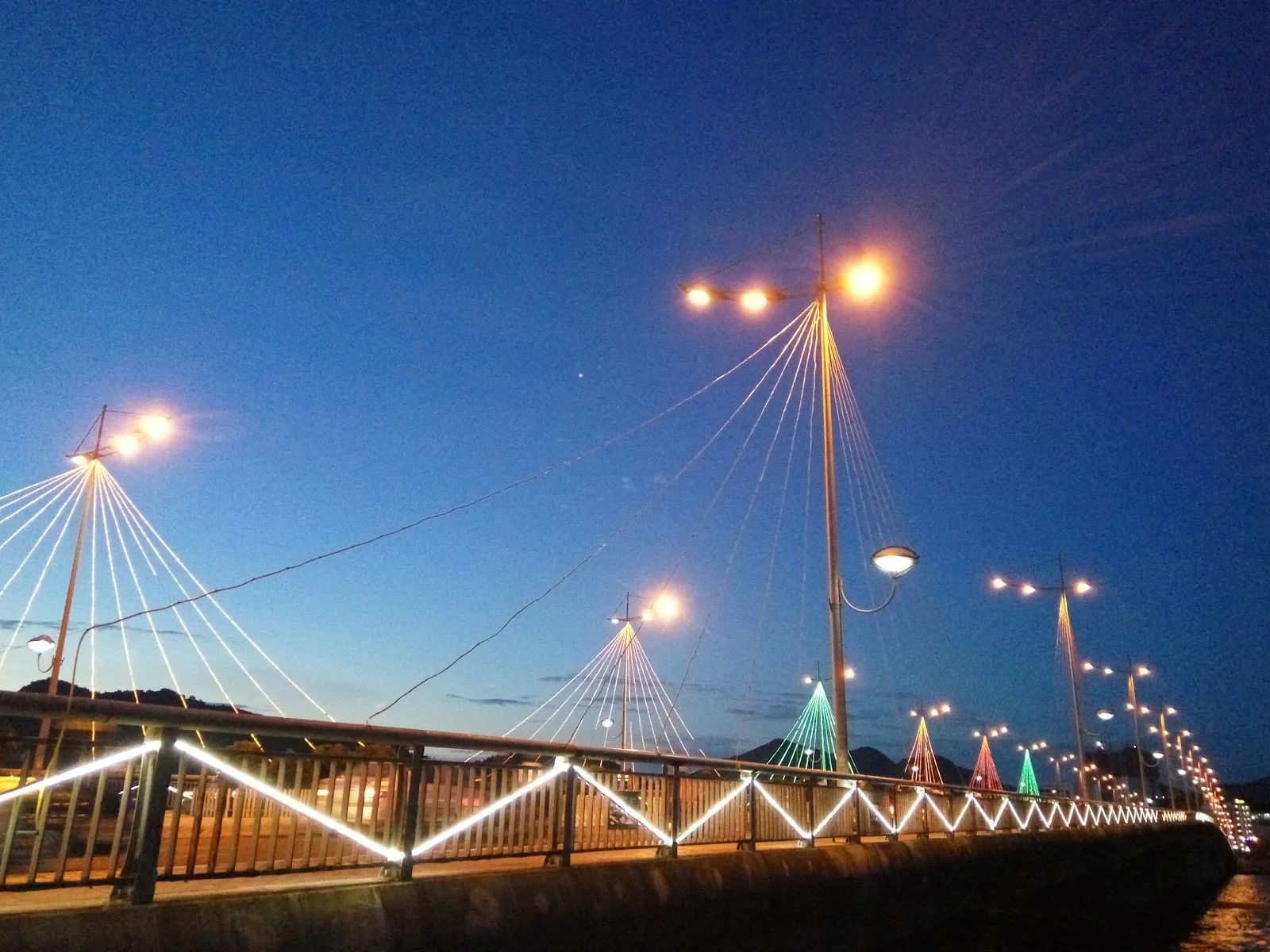
Tran Phu bridge
Rating: 4.2 / 5 — Our own score, not an average of guest reviewsThe bridge over the Cái river mouth: a local photo spot, best once the railings light up
North of the cityFree0.5 km away
Eat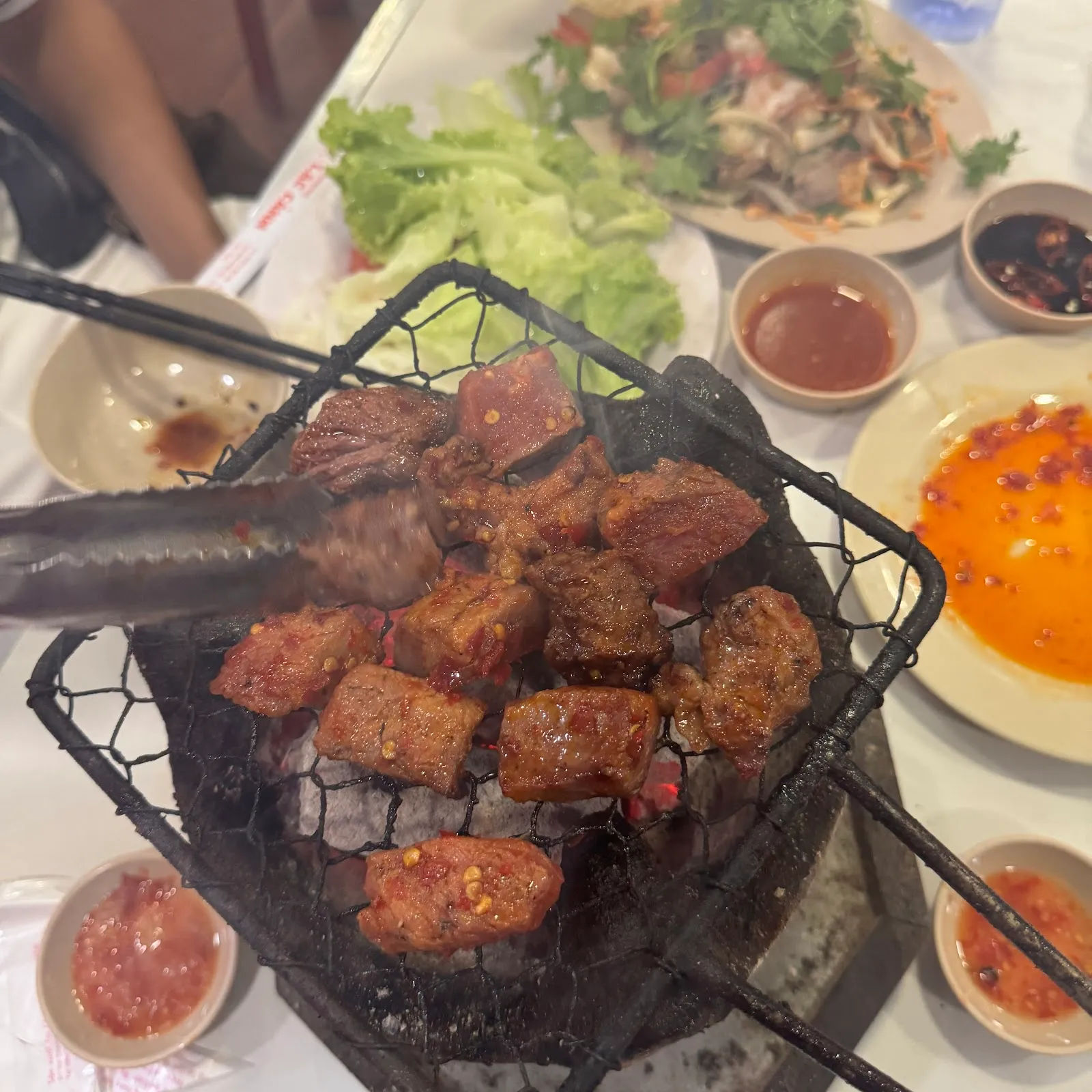
Lạc Cảnh grilled beef
Rating: 3.9 / 5 — Our own score, not an average of guest reviewsSixty-five years of grilled beef in Xuong Huan. What to order, and what to know first
City centre150,000 – 300,000₫/person0.6 km away
Eat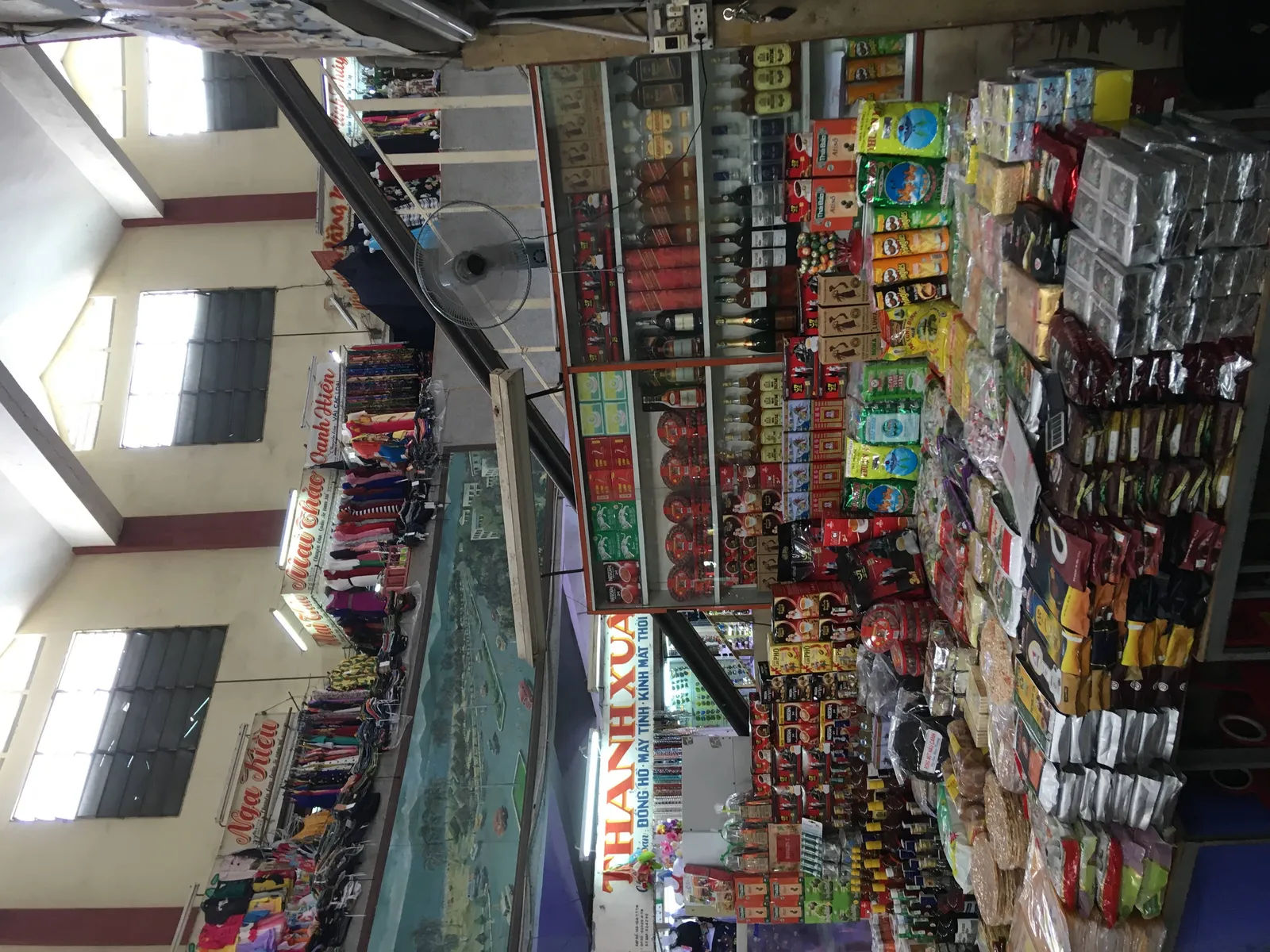
Cho Dam Market & Seafood
Rating: 4.2 / 5 — Our own score, not an average of guest reviewsThe central market and the food lanes around it. Where seafood is priced honestly
City centre150,000 – 500,000₫/person