Khánh Hoà Provincial Museum Nha Trang
Our own score, not an average of guest reviews
16 Trần Phú, on the hotel strip. Nearly 10,000 artefacts, and shut on the days you are free
- Address
- 16 Trần Phú, Nha Trang, Khánh Hoà — on the seafront strip, the same block as the Yasaka hotel at 18
- Opening hours
- Sources give Monday–Friday 08:00–11:00 and 14:00–17:00, closed at weekends; unconfirmed with the museum itself
- Price range
- Free
- Best time to go
- A weekday morning — it is likely shut at the weekend
Overview
There is an early-twentieth-century French building at 16 Trần Phú, on the seafront strip, the same block as the Yasaka hotel at number 18. Thousands of people walk past it to the beach every day without knowing it is the provincial museum. It may be the most overlooked historic site in Nha Trang, not because it is far but because it advertises nothing.
The museum was created by a decision of 13 June 1979, then called the Phú Khánh Provincial Museum — the name of the old province that joined Phú Yên to Khánh Hoà. According to the national tourism authority's listing it holds nearly 10,000 original artefacts and more than 5,000 photographic documents, arranged by theme: the ancient cultures of Khánh Hoà, the revolutionary struggle, the life of Hồ Chí Minh, and the province's heroic mothers.
What is most worth the visit is the prehistoric layer, and nowhere else in the city tells it. Stone axes and stone ornaments of the Xóm Cồn culture, roughly 3,500 years old; a Nha Trang bronze drum around 2,000 years old; Cham stone carving from the ninth to fourteenth centuries; old coinage and trade ceramics from the ninth to eighteenth. If you have climbed the Po Nagar towers and wondered what came before the Cham here, the answer is in those cases.
Watch out
The opening hours can cost you an afternoon, and I could not confirm them. Every secondary source gives Monday to Friday, 08:00–11:00 and 14:00–17:00, meaning closed both Saturday and Sunday — precisely the two days most visitors have free for a museum. It has no website to check against and is not even recorded in OpenStreetMap, so call or have your front desk ask before walking over, even if you are staying on Trần Phú.
One more thing worth knowing so the visit does not disappoint: the display space is far smaller than the store. The figure of nearly 10,000 artefacts is what is held, not what is shown. Sources disagree about the galleries — one says two rooms totalling about 200 m², another four thematic rooms. Whichever is right, this is a forty-minute stop rather than a morning.
In the same trip: the Po Nagar towers for the Cham material out of doors, the Alexandre Yersin museum about a kilometre south for another small city museum, and the Oceanographic Institute for a far larger collection. For history outside the city there is the Diên Khánh cluster.
Don't miss
- An early-1900s French building right on the Trần Phú strip
- Nearly 10,000 original artefacts and over 5,000 photographic documents in store
- Xóm Cồn stone axes around 3,500 years old, a bronze drum around 2,000
- Most likely closed on Saturday and Sunday
Practical tips
- Check the hours before walking over, even from a Trần Phú hotel
- Budget forty minutes, not a morning
- Visit after the Po Nagar towers and the Cham cases mean much more
- This page has no photograph yet — if you get one of the façade, send it
Frequently asked
When is the Khánh Hoà Provincial Museum open?
Every secondary source gives Monday to Friday, 08:00–11:00 and 14:00–17:00, so closed at weekends. I could not check that against the museum itself, which has no website, so treat it as indicative and ask before you go.
Is there an entry fee?
No source publishes a price, and provincial museums in Vietnam are usually free or charge very little. Since I could not verify it, this page gives no figure — ask at the door.
How does it differ from the Yersin museum and the Oceanographic Institute?
The three tell three different stories. The Yersin museum is one man and his laboratory. The Oceanographic Institute is marine life and a whale skeleton. The provincial museum is the history of the region itself, from Xóm Cồn stone axes to the twentieth century — the layer neither of the others touches.
This page also appears in
More in this category
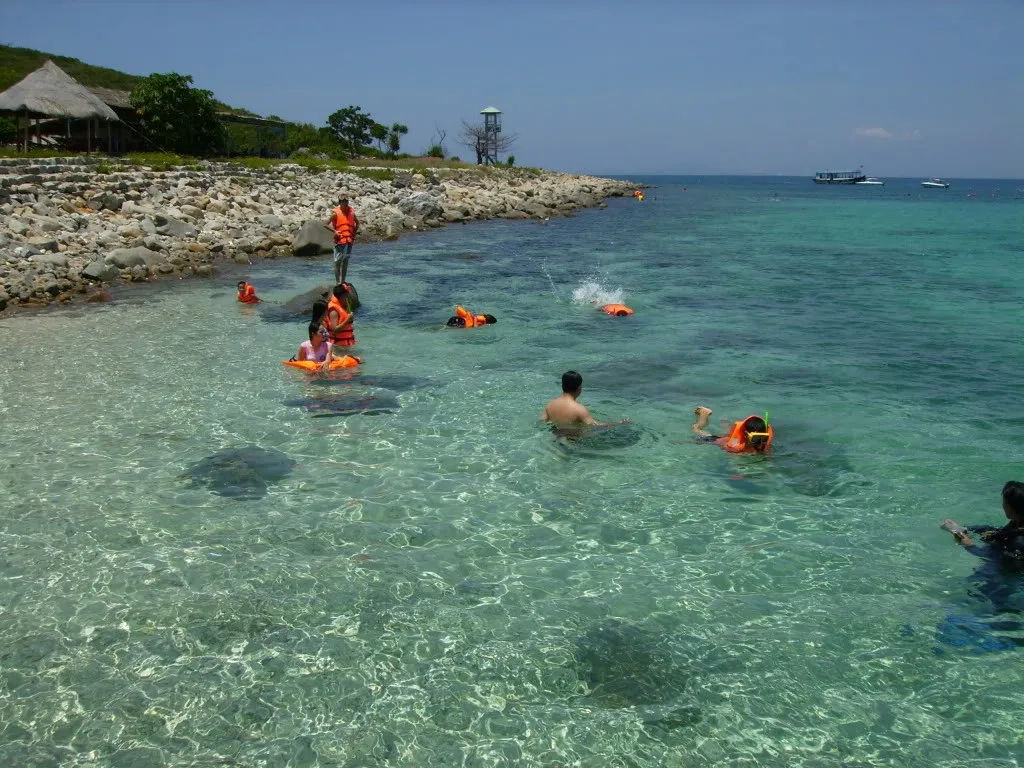
Hon Mun Island
Rating: 4.7 / 5 — Our own score, not an average of guest reviewsVietnam's first marine reserve. Swimming and diving around it stopped on 27 June 2022
Islands in the bayfrom 22,000₫/person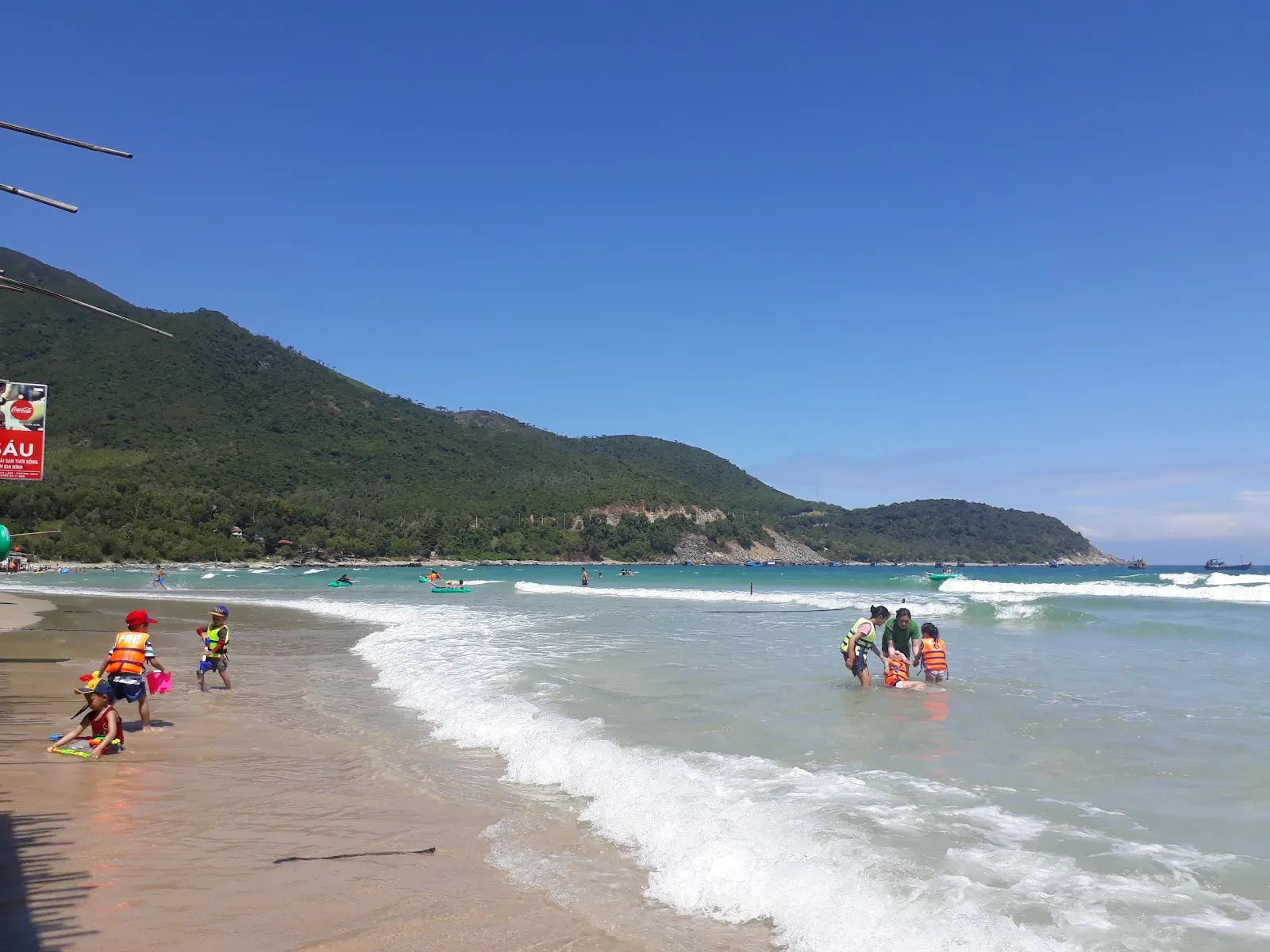
Bai Dai Beach
Rating: 4.6 / 5 — Our own score, not an average of guest reviewsTen kilometres of white sand, far emptier than the city beach
Bai Dai – Cam Ranh · 12–44 km south of the centre: the resort cluster sits on the airport road, a few sights lie beyond itFree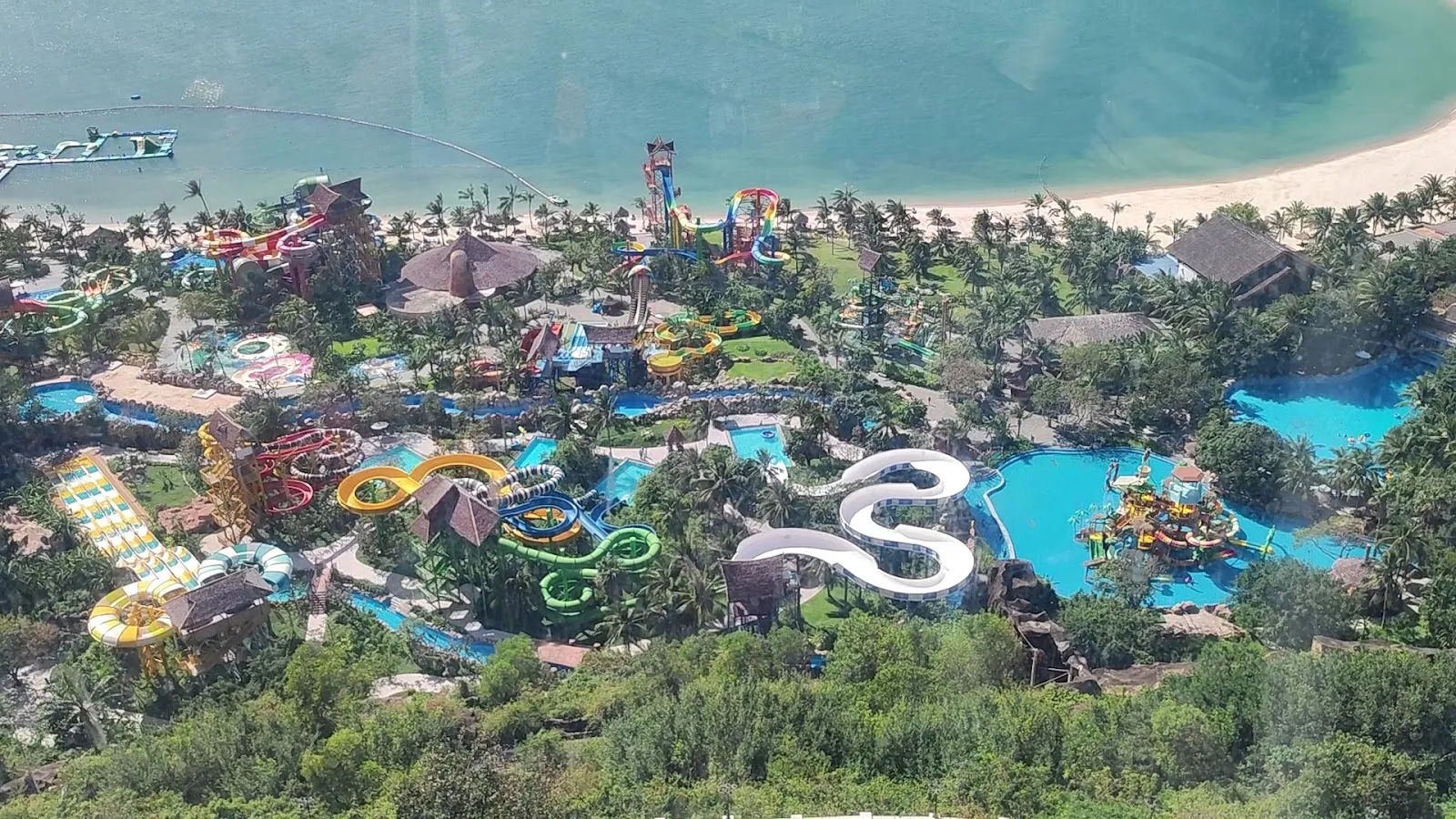
VinWonders Nha Trang
Rating: 4.5 / 5 — Our own score, not an average of guest reviewsAn island theme park on Hon Tre, reached by cable car across the sea
Islands in the bay550,000 – 950,000₫/person