The Diên Khánh monuments
Our own score, not an average of guest reviews
Eight monuments within 1.5 km of the citadel, 11 km from Nha Trang — a morning's worth
Vinhtantran · CC BY-SA 3.0 · Wikimedia Commons · 2008
Vinhtantran · CC BY-SA 3.0 · Wikimedia Commons · 2008
Vinhtantran · CC BY-SA 3.0 · Wikimedia Commons · 2008
- Address
- Diên Khánh town, Khánh Hoà, about 11 km west of central Nha Trang along đường 23/10
- Opening hours
- Open ground with no set hours; the communal house and Văn Miếu are usually locked outside festival days
- Price range
- Free
- Best time to go
- Mornings, and the third lunar month if you want the Am Chúa festival
Overview
Most visitors to Nha Trang never learn that the province's old administrative centre sits 11 km inland, at Diên Khánh, and that a whole cluster of monuments still stands around its 1793 Vauban citadel. This is not a ticketed attraction — it is a town with a tarmac road running through the citadel gate, and the monuments are scattered through it. Measured from the citadel, eight of the nine below lie within 1.5 km.
Start at the citadel, and the thing worth knowing is that it is smaller than the name suggests. Its four surviving gates are all on the map: Cửa Đông, Cửa Tây, Cửa Tiền, Cửa Hậu. Measured between them it is 649 metres east to west and 399 north to south — the whole enceinte fits inside a two-kilometre walk. The gates stand 190 to 330 metres from the centre, so seeing all four is half an hour's work, not a morning's.
The site most worth the trip after the citadel is the Trần Quý Cáp memorial temple, about a kilometre east of the gate (12.25614 / 109.10340). The stele in front of it says most of what you need: Trần Quý Cáp lived 1870–1908, and the temple was raised by local gentry, scholars and townspeople for the centenary of his birth, in 1970. The stele also records that in 1991 the Ministry of Culture listed it as a national monument. The board above the door reads “Trung Liệt Điện”.
Why a schoolmaster executed here has a temple: Trần Quý Cáp was among the leaders of the Duy Tân reform movement in central Vietnam, and he was beheaded at Diên Khánh in 1908 when the movement was crushed. So the temple is not a village shrine but a political memorial raised sixty-two years after that death. That is the layer a photograph of a tiled roof cannot tell you.
The remaining seven, ordered by distance from the citadel. Hà Dừa church (640 m, 12.25467 / 109.08802) is the area's long-established parish church, beside the Hà Dừa bridge. Đình Phú Lộc (800 m, 12.26240 / 109.09250) is the communal house of Phú Lộc — the bronze-casting village Diên Khánh is known for. [The Văn Miếu of Diên Khánh](/attractions/van-mieu-dien-khanh) (1.1 km, 12.26280 / 109.08723), founded in 1853, is one of the few provincial Confucian temples left in south-central Vietnam and has its own page. Cây Vông church (1.5 km, 12.26669 / 109.08689) and Thiên Lộc pagoda (2.2 km, 12.24791 / 109.11222) close the loop inside the town.
[Am Chúa](/attractions/am-chua) is the exception, and the one site worth the extra distance. It lies 5.6 km north of the citadel (12.30532 / 109.09348), on the slope of Đại An hill, and is dedicated to Thiên Y A Na — the same goddess venerated at the Po Nagar towers in the city. The two are opposite ends of a single cult, and doing both in one trip shows you something neither shows alone. The Am Chúa festival falls in the third lunar month, and it is crowded.
Do this first
This is a cluster for people who come for the history, not for the photographs. Most of the sites above have no interpretation boards, no one on duty, and some are locked outside festival days — the communal house and the Văn Miếu especially. Go in the morning, ask locally, and do not budget more than twenty minutes a site. The citadel, the Trần Quý Cáp temple, the Văn Miếu and one church make a full morning by motorbike.
One thing this page owes you about itself: of the nine sites above, only the Trần Quý Cáp temple has real photographs — three on Wikimedia Commons, taken in 2008. For the other eight I could find nothing publishable, so the page gives coordinates instead of pictures. They are read from OpenStreetMap and paste straight into Maps.
Don't miss
- Eight of the nine sites lie within 1.5 km of the citadel
- The citadel measures just 649 m by 399 m between its four surviving gates
- The Trần Quý Cáp temple: built 1970, listed as a national monument in 1991
- Am Chúa venerates Thiên Y A Na, the goddess of the Po Nagar towers
Practical tips
- Take a motorbike: there is no car parking at these sites and the town lanes are narrow
- Pair it with Suối Đổ if you want water in the afternoon
- The communal house and Văn Miếu are often locked — ask nearby before expecting to go in
- The coordinates in the text paste straight into Maps, since most of these sites have no street number
Frequently asked
How do you get from Nha Trang to Diên Khánh?
About 11 km west along đường 23/10, straight out, roughly 25–30 minutes by motorbike. No bus serves the run since the old network stopped — see the bus page — so it is a motorbike, a taxi or a ride-hailing car.
Is there an entry fee?
No. The citadel is public street, its gates stand in the open, and the temple, communal house, Văn Miếu and churches charge nothing. What it costs you is the travel time and the chance of finding a door locked.
Who was Trần Quý Cáp?
One of the leaders of the Duy Tân reform movement in central Vietnam, 1870–1908, beheaded at Diên Khánh in 1908. The temple here was raised by local people in 1970 for the centenary of his birth and listed as a national monument in 1991. Those figures are read off the stele in front of it rather than from any article.
How does Am Chúa relate to the Po Nagar towers?
Both venerate Thiên Y A Na. The Po Nagar towers are the Cham temple in the city; Am Chúa sits on Đại An hill in Diên Khánh, 5.6 km north of the citadel, and local tradition holds it the place of her birth. Doing both in one trip is the only way to see the two ends of a single cult.
This page also appears in
More in this category
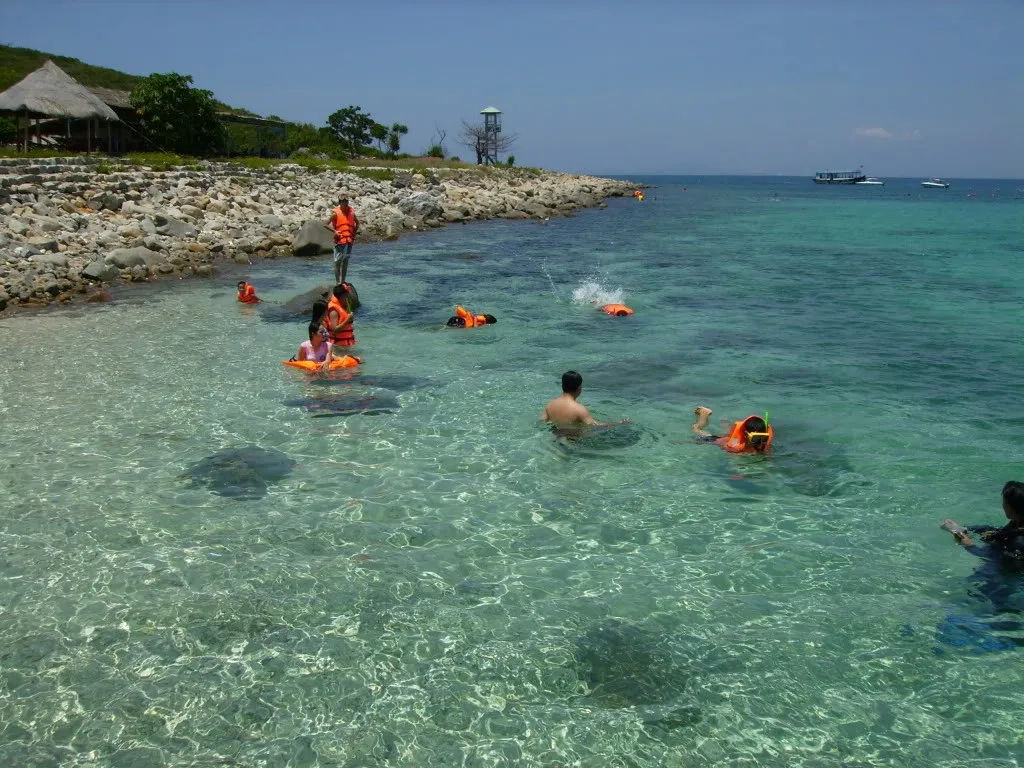
Hon Mun Island
Rating: 4.7 / 5 — Our own score, not an average of guest reviewsVietnam's first marine reserve. Swimming and diving around it stopped on 27 June 2022
Islands in the bayfrom 22,000₫/person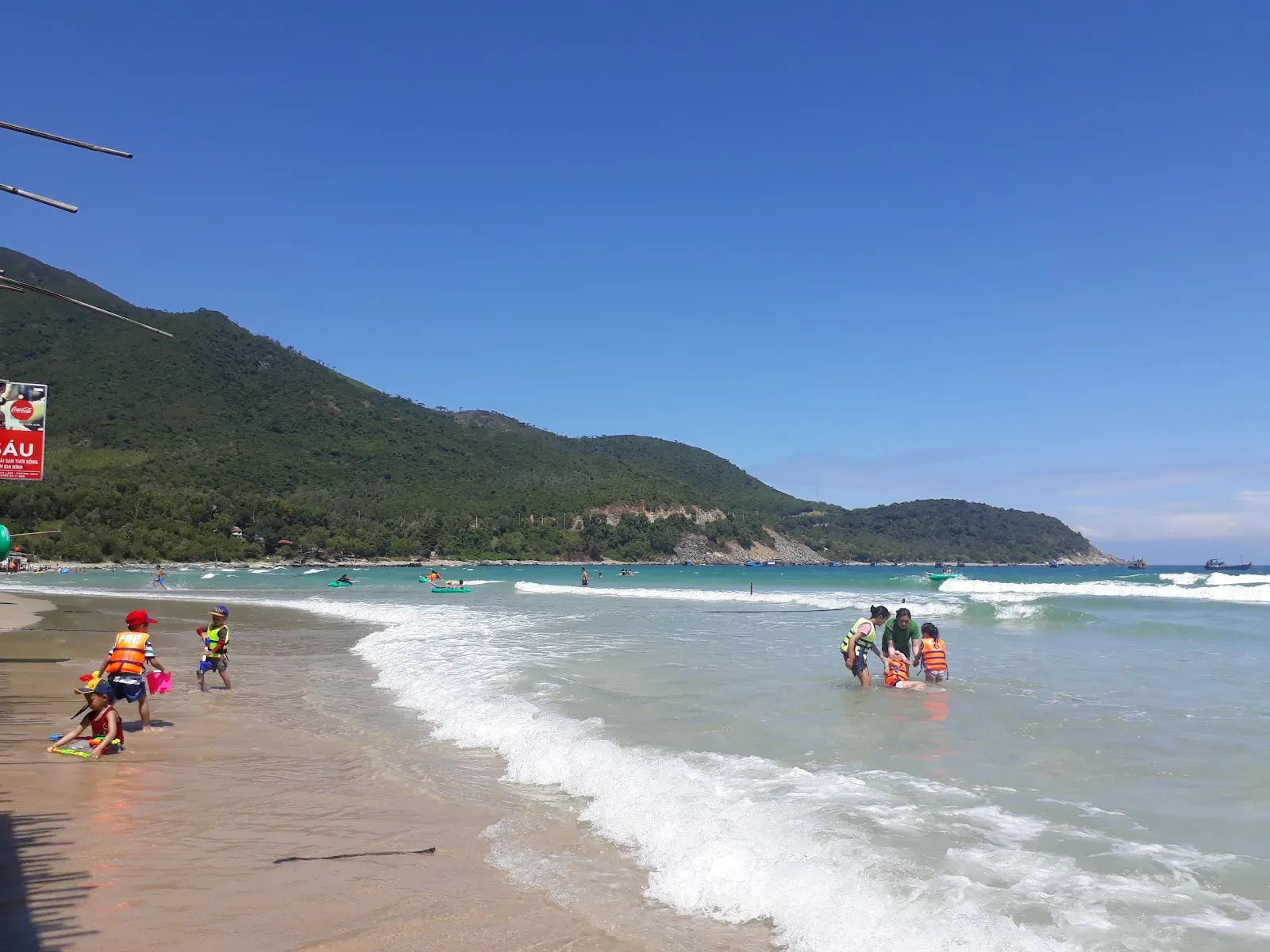
Bai Dai Beach
Rating: 4.6 / 5 — Our own score, not an average of guest reviewsTen kilometres of white sand, far emptier than the city beach
Bai Dai – Cam Ranh · 12–44 km south of the centre: the resort cluster sits on the airport road, a few sights lie beyond itFree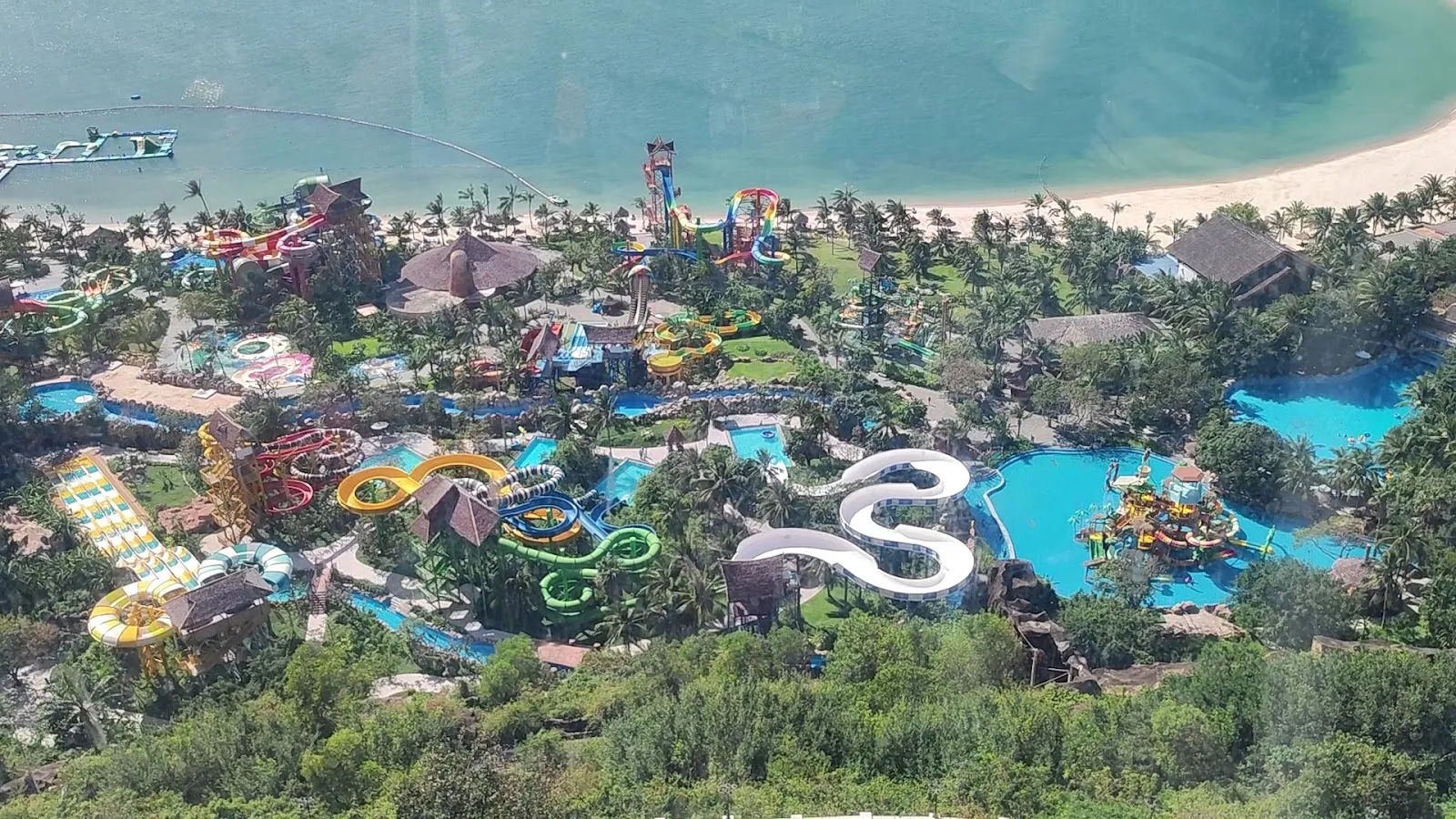
VinWonders Nha Trang
Rating: 4.5 / 5 — Our own score, not an average of guest reviewsAn island theme park on Hon Tre, reached by cable car across the sea
Islands in the bay550,000 – 950,000₫/person