Getting around Nha Trang: four things the old guides missed
The bus network stopped, 27 wards became four, Ninh Thuan merged into Khanh Hoa, and two islands were closed to tourism. Four changes, and three questions that tell you when the page you are reading was really written.
This piece has no expiry date, but it was written on the date above. Prices, opening hours and street names may have moved on; ring ahead about anything that matters.
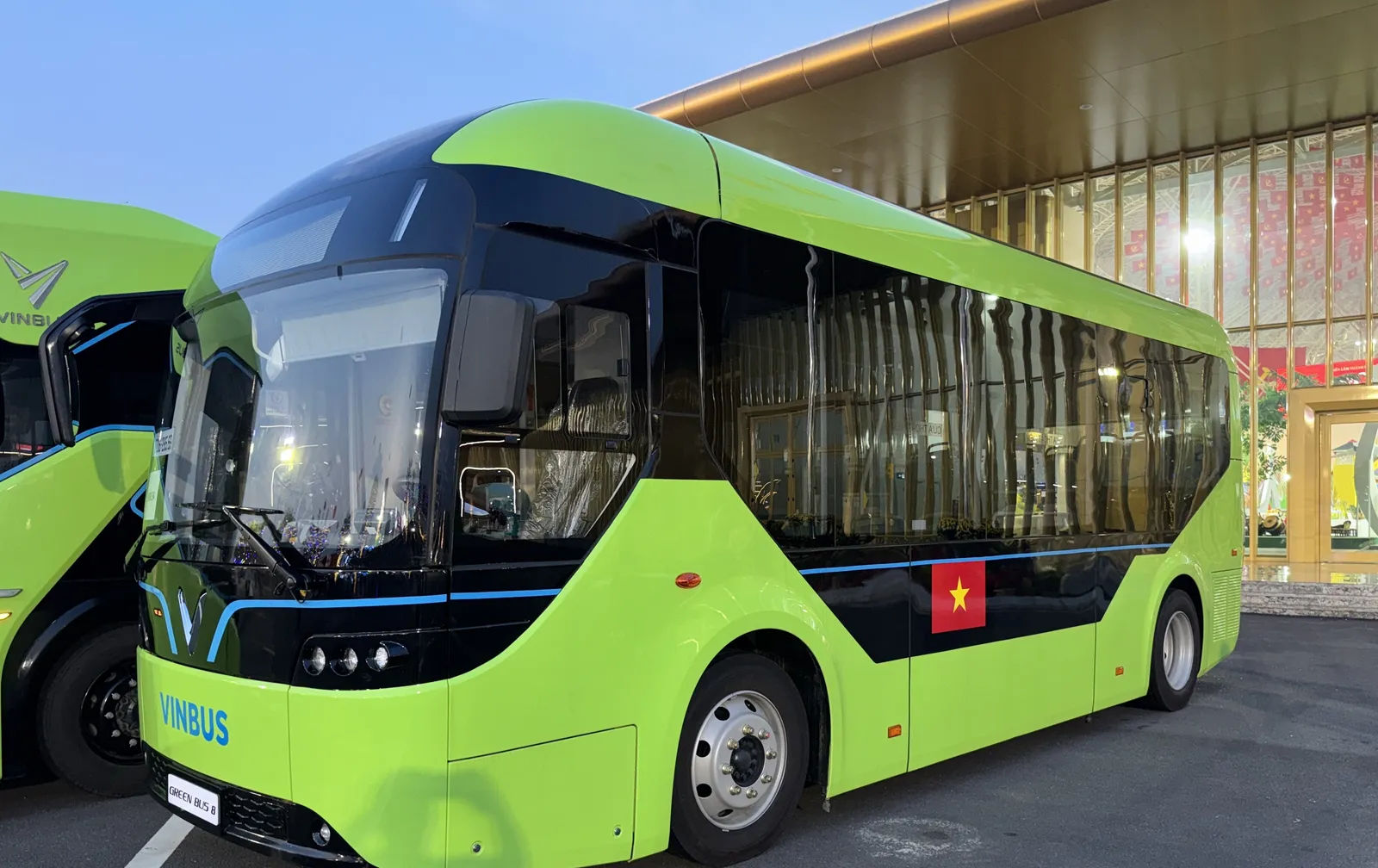
Illustrative photo · Newone · CC BY-SA 4.0 · Wikimedia Commons · 2025
Four things about getting around Nha Trang have changed in the last two years, and all four are big enough to spoil a day if you land on a page that has not caught up. The difficulty is that those pages do not look old: they are headed “updated 2026”, with photographs, prices and opening hours. This lists the four, and ends with a few ways to date any page you are reading, this one included.
The old city bus network has stopped, and what replaced it is much smaller. The eight city routes run by the Quyết Thắng company — numbers 1 to 8, plus the services to Ninh Hoà, Vạn Giã and Đại Lãnh — no longer run. What runs now is VinBus electric, and it has two routes: number 23 along the seafront from the Ana Marina yacht harbour down to the Cầu Đá cable-car station, and 16-2 to the airport. Per VinBus's own announcement of November 2024, route 23 is 15,000₫ a ride and 16-2 is 50,000₫ — treat both as indicative and ask as you board.
The practical consequence is not the fare, it is the map: the new network covers the seafront axis and the airport road, and nothing else. West of the centre — đường 23/10, Mã Vòng, Ngã Ba Thành, Diên Khánh — has no service at all. So if you are staying off the Trần Phú – Phạm Văn Đồng strip, the answer to “can I get there by bus” is no, and the alternatives are in Getting around. One more trap sits in the name of route 23's last stop: “Vinpearl Nha Trang” is a stop ON THE MAINLAND, by the Cầu Đá cable-car station, not on the island.
On 1 July 2025, Nha Trang's 27 wards were merged into four. Resolution 1667/NQ-UBTVQH15 abolished the names that nearly every address in this city still uses — Lộc Thọ, Vĩnh Nguyên, Tân Tiến, Vĩnh Hải, Phước Hải — and replaced them with four: Nha Trang, Bắc Nha Trang, Tây Nha Trang and Nam Nha Trang. House numbers and street names did not change, so you will still arrive. But an address written “4C Biệt Thự, P. Lộc Thọ” now names a ward that no longer exists, and both the mapping services and most booking sites still print the old one.
How to use that: trust the house number and the street, not the ward. When two sources give different wards for the same number on the same street, it is almost always one place rather than two. There is a small signal I lean on a lot when checking data for this site: a business that has updated its own address to the new ward name is usually a business still trading. Editing one line of an address on your own page is the sort of chore only someone still open remembers to do.
The same day, Ninh Thuận was merged into Khánh Hoà. The province now runs down to Phan Rang and Vĩnh Hy, roughly a hundred kilometres further south than Nha Trang. That changes the meaning of a very common line in tour listings: “within the province” can now mean a very long day in a minibus. If a programme names its destination only as “Khánh Hoà”, ask for the distance and the departure time before you book.
Bình Ba and Bình Hưng have been ordered to stop receiving tourists, and the tours are still on sale. Of the four, this is the one most likely to cost you money, and it has a piece of its own in Guides — the reason (the Cam Ranh military perimeter, not the environment), which document says so, and three places you can legally go for the same thing: an empty beach and lobster farmed on the spot.
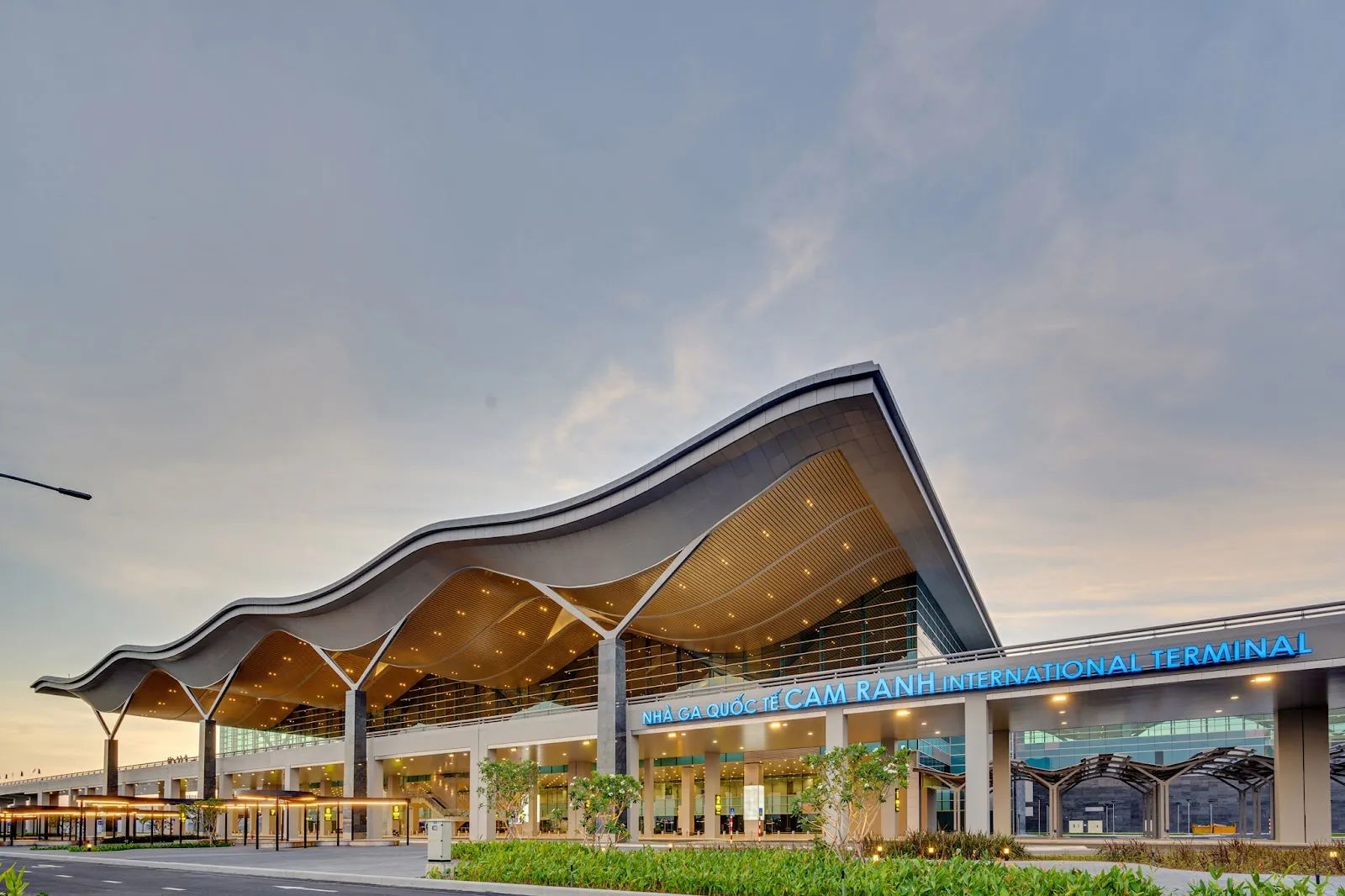
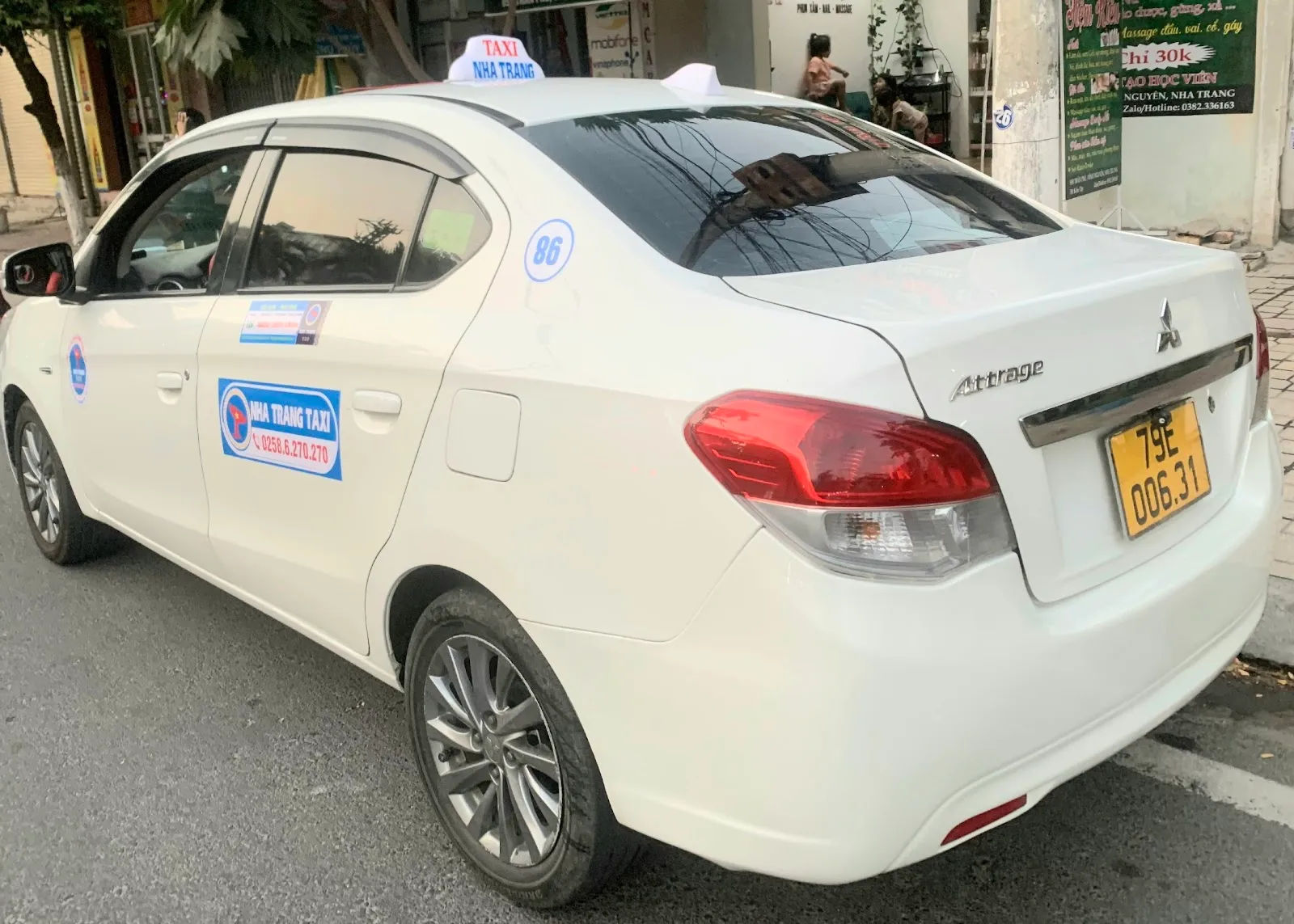
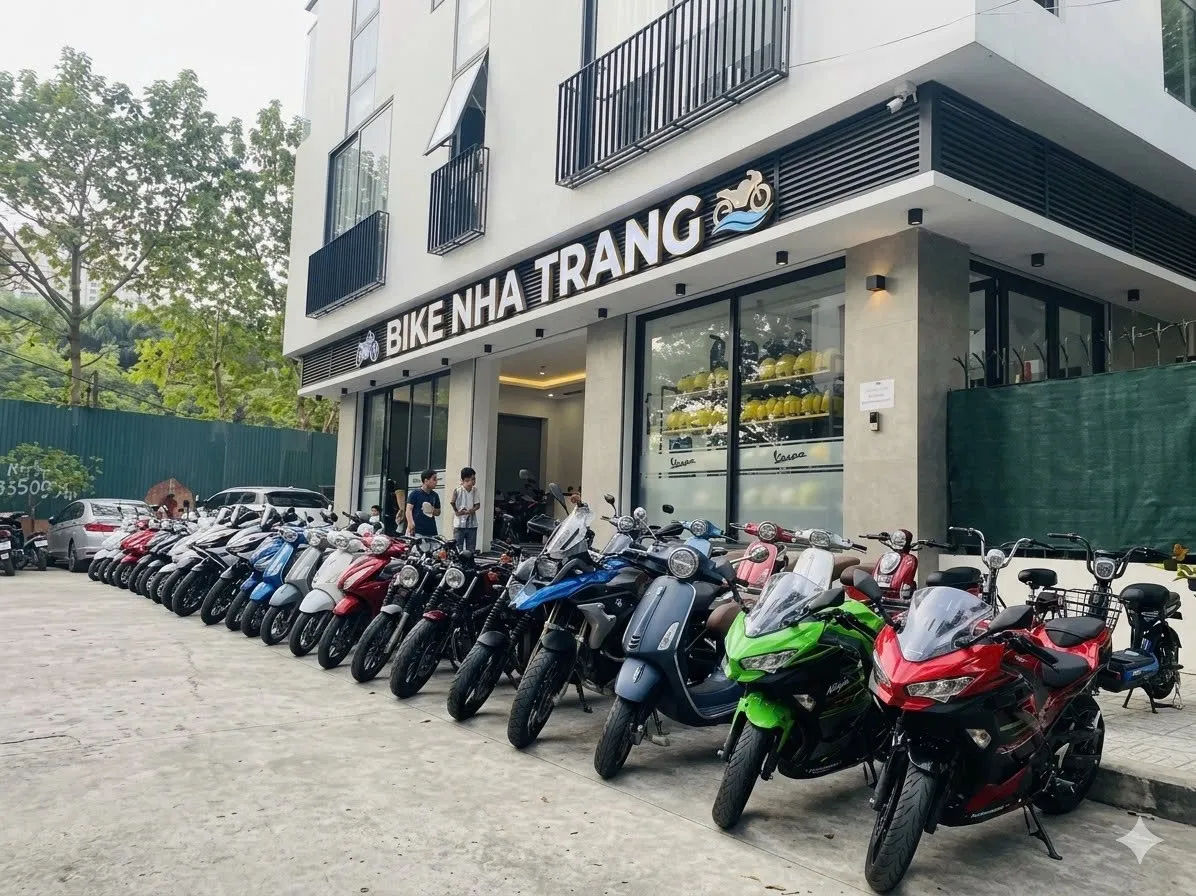
For balance, here is what did not change. The airport is still Cam Ranh, still about 35 km from the centre, and its domestic and international terminals are still about 1.5 km apart inside the same grounds, so an international arrival still has that gap to cross. Taxis and the ride-hailing apps work as before. Rented motorbikes are still delivered to your hotel. None of the four changes above makes this city harder to move around — they only make pages written before November 2024 wrong.
Those four facts give you a few quick ways to date any page. One that still lists Quyết Thắng's routes 1 to 8 has not had its transport section touched since 2024. One printing Lộc Thọ, Vĩnh Nguyên or Phước Hải has addresses older than July 2025. One selling a Bình Ba tour is not following what the province has published. None of that means the page is badly written. It means you know roughly when it was.